

The cost of protecting American homes is rising faster than ever before, as the worsening impact of climate-driven disasters pushes property insurance premiums to unprecedented levels. According to new industry data, the first half of 2025 marked a record-setting surge in insurance costs, with states affected by hurricanes, wildfires, and floods experiencing the most dramatic increases.
A recently released Mortgage Monitor report by Intercontinental Exchange Inc. (ICE) reveals that the average annual insurance premium for a mortgaged single-family home in the United States now stands at approximately $2,370 — a significant 4.9% increase since the beginning of the year. The increase reflects a growing trend as insurers adjust to a rapidly shifting climate landscape, where extreme weather events have become more frequent, more intense, and more destructive.
Disaster-Prone States See Steepest Premium Hikes
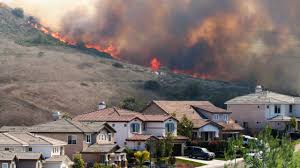
While rising insurance costs are affecting homeowners across the country, certain regions are bearing the brunt. California, still reeling from devastating wildfires earlier this year, has seen some of the sharpest increases. In Los Angeles, where flames tore through neighborhoods and left widespread destruction in their wake, homeowners faced an average 9% rise in their insurance premiums during the first half of 2025. That translates to nearly a 20% jump since mid-2024, making it one of the steepest year-over-year increases nationwide.
Other states hit hard by climate disasters have experienced similar patterns. In both North Carolina and South Carolina, insurance premiums spiked after the catastrophic flooding caused by Hurricane Helene in late 2024. Damaged infrastructure, increased rebuilding costs, and repeated flood risks have made it more expensive — and more difficult — to secure home insurance in many coastal and inland communities across these states.
Insurers Retreat or Raise Prices in High-Risk Areas
With natural disasters becoming more frequent and more costly, the insurance industry is being forced to rethink its exposure to high-risk regions. Many insurers have begun to raise premiums sharply or withdraw from markets altogether, leaving homeowners with limited — and often more expensive — options for coverage.
Climate change is fundamentally altering how insurance companies assess risk. In the past, extreme weather events were considered outliers; today, they’re part of a new normal. As a result, insurers are not only recalculating premiums but also imposing stricter eligibility criteria, denying coverage in some areas entirely, and shifting more of the financial burden onto policyholders.
Ironically, despite the recent fire-related losses, California still ranks among the states with the lowest average homeowners insurance premiums. This is largely due to long-standing state regulations and consumer protections that have historically kept costs low. However, industry experts warn that this may not be sustainable if wildfires continue to grow in scale and frequency.
The South and Midwest Bear the Heaviest Burden
In contrast, states vulnerable to hurricanes, severe storms, and hail — especially across the South and Midwest — are seeing the highest insurance costs in the nation. These weather events have long posed significant risks to homes and infrastructure, but as storm seasons intensify and losses mount, insurers are passing those costs directly onto consumers.
One of the most extreme examples is Florida, a state that has struggled for years with an unstable property insurance market. While many residents have relied on Citizens Property Insurance Corporation, a state-run “insurer of last resort,” recent legislative efforts have sought to reduce the state’s exposure by encouraging the return of private insurers.
According to ICE’s report, those measures have begun to take effect. In Miami, the city with the highest average property insurance costs in the U.S., the share of homeowners relying on the state-backed Citizens plan has dropped sharply — from 46% to 27% over the past 18 months. While this may signal a recovering private market, it also means many Miami homeowners are now facing even higher premiums from commercial carriers.
A Growing Crisis with No Easy Solutions
The surge in property insurance costs underscores a broader crisis: the growing financial vulnerability of American homeowners in the face of climate change. As disasters like wildfires, hurricanes, and floods become more frequent and damaging, the cost of insuring property — or even finding insurance at all — is becoming a major concern.
Analysts warn that this trend is likely to accelerate unless major reforms are introduced, both in terms of climate mitigation and in how insurance markets operate. Without stronger disaster resilience measures, better land-use policies, and improved infrastructure to withstand extreme weather, homeowners will continue to face mounting risks and rising costs.
In the meantime, the insurance industry is sounding the alarm. With every passing season, more areas of the country are being designated as high-risk, and the traditional models for pricing and managing insurance are proving increasingly inadequate.
For now, American homeowners are paying the price, and many are left wondering whether insurance — once a routine part of homeownership — may soon become a luxury they can no longer afford.