

A former NCAA shot put champion is getting the green light to move forward with his lawsuit claiming that hemp-based cannabis products triggered a psychotic breakdown that nearly cost him his life.
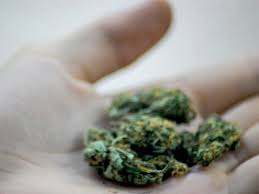
Andrew Liskowitz, once a top-tier college athlete with Olympic dreams, says various cannabis retailers sold him defective and unsafe hemp products without proper warnings — and a New Jersey judge agrees, at least for now.
On July 8, Monmouth County Superior Court Judge Chad N. Cagan ruled that Liskowitz can amend his legal complaint, allowing his product liability claims to proceed under the New Jersey Products Liability Act (PLA). However, the judge dismissed his allegations under the New Jersey Consumer Fraud Act, saying those claims didn’t hold up.
What the Lawsuit Is About
Liskowitz is accusing several cannabis retailers of selling him dangerous hemp products, including vapes and edibles, that caused cannabis-induced psychosis — a serious condition that led him to attempt suicide by jumping off a bridge in October 2022.
The businesses named in the suit include:
-
732 Vape
-
The Green Room
-
Dynasty Smokes
-
Lang’s Liquor
-
Kali Bloom
-
Galaxy Treats
-
Apollo Sciences
-
Xite Edibles
-
Delta Technologies
Liskowitz claims these stores sold products that were defective and dangerously potent, and failed to warn about the mental health risks tied to cannabinoids. He says this lack of warning — especially regarding psychosis — contributed directly to his breakdown.
Retailers Push Back
The defendants argue they’re just sellers — not the manufacturers, designers, or marketers of these hemp items. Under the New Jersey PLA, they say, that gives them immunity from lawsuits like this one. They also claim the products were legal, labeled properly, and approved for sale by state agencies.
If there are issues with how these hemp products are regulated or labeled, the retailers argue, the blame should be aimed at the government agencies responsible for oversight — not small businesses simply stocking compliant goods.
From Olympic Hopeful to Mental Health Emergency
Liskowitz’s story is dramatic. The former Michigan shot put star is a three-time Big Ten champ, a six-time All-American, and once ranked in the top 25 worldwide. But in mid-2022, his life took a sudden turn.
He began using hemp-derived vapes and edibles from New Jersey stores, then moved to Louisiana in September to continue his pro training. He continued using similar products there. By late October, things spiraled. His roommates brought him to a Baton Rouge hospital where he was diagnosed with substance-induced psychosis and anxiety, reportedly tied to cannabis use.
After returning to New Jersey and en route to rehab, he became delusional — convinced the FBI was coming to arrest him. While crossing the Driscoll Bridge, he jumped out of a moving car and off the 135-foot-high bridge, attempting to take his own life. He survived the fall but suffered serious injuries and was later hospitalized for acute psychosis related to synthetic cannabinoids.
He’s no longer psychotic, but says he’s still recovering — physically and mentally.
Bigger Questions About Hemp-Derived THC
At the heart of this case is a growing debate over hemp-derived THC products, like delta-8 and similar cannabinoids. These are legal under the 2018 Farm Bill, which allowed hemp production and sale. However, critics — including Liskowitz — argue the law was never meant to legalize intoxicating cannabis in new forms.
Liskowitz claims that cannabis shops are exploiting legal gray areas, selling high-potency, possibly impure hemp products without proper oversight. These products, he argues, can trigger Cannabis-Induced Psychosis (CIP) — a serious mental health event caused by THC exposure or contaminants, leading to hallucinations, delusions, and long-term brain damage.
His lawsuit says the only warnings on the product labels were generic — about pregnancy and not operating heavy machinery. No mention of mental health risks, hallucinations, or psychosis.
Legal Immunity or Legal Loophole?
The retailers maintain they were simply doing business by the book, selling state-compliant products. They argue that if anything’s broken, it’s the regulatory system — not their businesses.
They also suggest Liskowitz has a bigger issue with the cannabis industry as a whole and that his frustrations should be directed toward lawmakers and public health officials, not convenience store clerks.
What’s Next?
The case isn’t over. While the consumer fraud claims are out, the product liability suit moves forward, meaning cannabis retailers will need to defend their role in Liskowitz’s psychosis in court.
This lawsuit could have wide-reaching implications for how hemp-derived cannabis products are regulated — and how much legal responsibility retailers carry when things go wrong.