

Massachusetts is taking major steps to cut red tape and modernize business regulations through Governor Maura Healey’s “Massachusetts Means Business” initiative. The effort aims to simplify and update rules across several industries, including insurance, banking, construction, cosmetology, and telecommunications—making it easier and less costly to operate in the state.
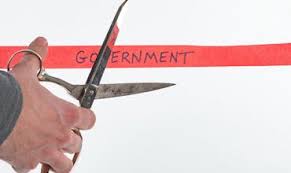
One-Fourth of Regulations Overhauled
Under the Office of Consumer Affairs and Business Regulation (OCABR), the administration is reviewing and amending 25% of its existing regulations. The changes target outdated, redundant, and burdensome rules that hinder competition, slow down licensing processes, and increase costs for businesses.
“Massachusetts means business,” said Governor Healey. “We’re cutting unnecessary regulations so entrepreneurs can focus on growing jobs and contributing to our economy.”
The reforms are based on a March survey sent to local businesses through associations and chambers of commerce. The results showed:
-
24% of respondents identified insurance compliance as their biggest challenge.
-
20% pointed to compliance inspections and examinations.
Insurance Industry at the Center
The Massachusetts Division of Insurance (DOI) has begun eliminating paper-based filing requirements for the state’s 1,400 insurance companies and 200,000 individual producers. Highlights include:
-
Ending the need for paper or disc submissions.
-
Speeding up the rate filing process.
-
Allowing online updates of license details via the National Insurance Producer Registry (NIPR).
-
Adding or removing licensed members without checks or mailed forms.
-
A new online payment portal is set to launch by year-end.
DOI has also amended regulations covering:
-
Workers’ comp rate filings and hearings.
-
Direct payments for car collision claims.
-
Public hearings on insurer reorganizations.
-
Annual financial statement reporting.
-
Licensing surrender procedures.
-
Private passenger vehicle rates.
-
Legal service plans.
-
Regulation petitions.
Banks, Contractors, and Other Professions Benefit
The Division of Banks is modernizing eight regulations to:
-
Expand access to reverse mortgage counseling (now available by phone/online).
-
Streamline mortgage licensing disclosures.
-
Align with federal rules and ensure parity with federal credit unions.
The Division of Occupational Licensure is making it easier for students and professionals to enter licensed fields:
-
Vocational students can now earn licensure credit hours faster and more affordably.
-
Outdated rules like mandatory barber poles for barbershops are being removed.
-
Assistant instructors in beauty fields can hold licenses longer than two years.
-
High school diplomas are no longer required for barber instructors, broadening the talent pool.
-
At-home salons no longer need front-door visibility or street access.
-
Electrologists can serve clients in-home, increasing flexibility.
-
Barber school hours now count toward cosmetology degrees, simplifying dual licensure.
Other Sectors See Changes Too
Reforms also affect:
-
Architects, electricians, plumbers, gas fitters, public accountants, and drinking water operators.
-
Retail regulations now allow digital unit pricing.
-
Tramway signage rules are simplified.
-
New rules facilitate electric pole attachments to speed up broadband expansion.
Additionally, a new Home Improvement Contractor Hub will replace the current outdated database—streamlining contractor registration and making it easier for consumers to find verified professionals.