

At the time of writing, Texas—and much of the world—is witnessing yet another devastating natural disaster unfold. The death toll has now surpassed 100 lives, and property losses are estimated in the billions.
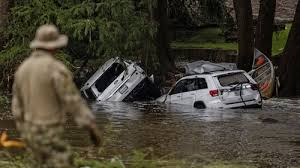
This storm is heartbreaking for many reasons, and for me, it’s personal. I’ve spent the majority of my life in and around the scenic Texas Hill Country, a region known for its unique beauty and charm. It’s no wonder so many Texans return year after year to enjoy its rivers, hills, and tranquility.
But it’s that same natural beauty—and proximity to water—that draws people to high-risk areas across the country. Whether it’s the rugged hills of Texas, California’s dramatic coastlines, Florida’s sparkling beaches, or the historic shores along the East Coast, people are drawn to live, work, and vacation in locations that are inherently vulnerable to catastrophe. This pattern isn’t going to change. Destruction will occur, and communities will continue to rebuild in high-risk areas—perpetuating the cycle of exposure.
According to the National Flood Insurance Program (NFIP), 99% of U.S. counties have experienced a flood event in the past two decades. Still, fewer than 7% of property owners nationwide carry flood insurance.
In Kerr County, Texas—the site of some of the most severe damage during this recent flood—fewer than 2% of residents have flood insurance.
We know that standard homeowners, renters, and many commercial property insurance policies exclude coverage for flood damage. We also know flood risk is widespread and growing. Yet, despite this knowledge, uptake of flood insurance remains strikingly low—and that likely won’t change anytime soon.
Insurance is just one layer of protection for property and life. Another crucial strategy is proactive risk management and mitigation. That includes stronger construction standards, improved building codes, and practical tools to help policyholders reduce their exposure. Think water detection devices, fire sensors to minimize electrical hazards, or even distributing basic weather radios in flood-prone areas. There’s also an opportunity for insurers to offer premium discounts or incentives to those who invest in risk-reducing measures themselves.
The Insurance Information Institute (Triple-I) reminds us that “risk” is simply another word for “peril”—something that could go wrong. And today, there is no more pressing peril than natural catastrophe risk.
So, what else can we do to prepare for the next major disaster? Is the insurance sector doing enough to support policyholders in managing catastrophic exposures? Because at the end of the day, it’s not just about having the right coverage—it’s about addressing the risk long before disaster strikes.